
PTSD: Recognizing The Signs and Finding Support
Many people associate Post Traumatic Stress Disorder, or PTSD, with military service, but the reality is that PTSD can impact anyone who has experienced or witnessed a traumatic event. Car accidents, abuse, violence, national disasters, medical emergencies, the sudden loss of a loved one, or other deeply distressing experiences can all leave lasting emotional impacts.
The good news is that PTSD treatment is effective, and people do recover.
IF YOU OR SOMEONE YOU LOVE IS EXPERIENCING IMMEDIATE EMOTIONAL DISTRESS OR SUICIDAL THOUGHTS, PLEASE CALL THE CRISIS HOTLINE NUMBER FOR THE COUNTY IN WHICH YOU’RE LOCATED.
Allen, Auglaize, and Hardin Counties: 1.800.567.4673
Hancock County: 1.888.936.7116
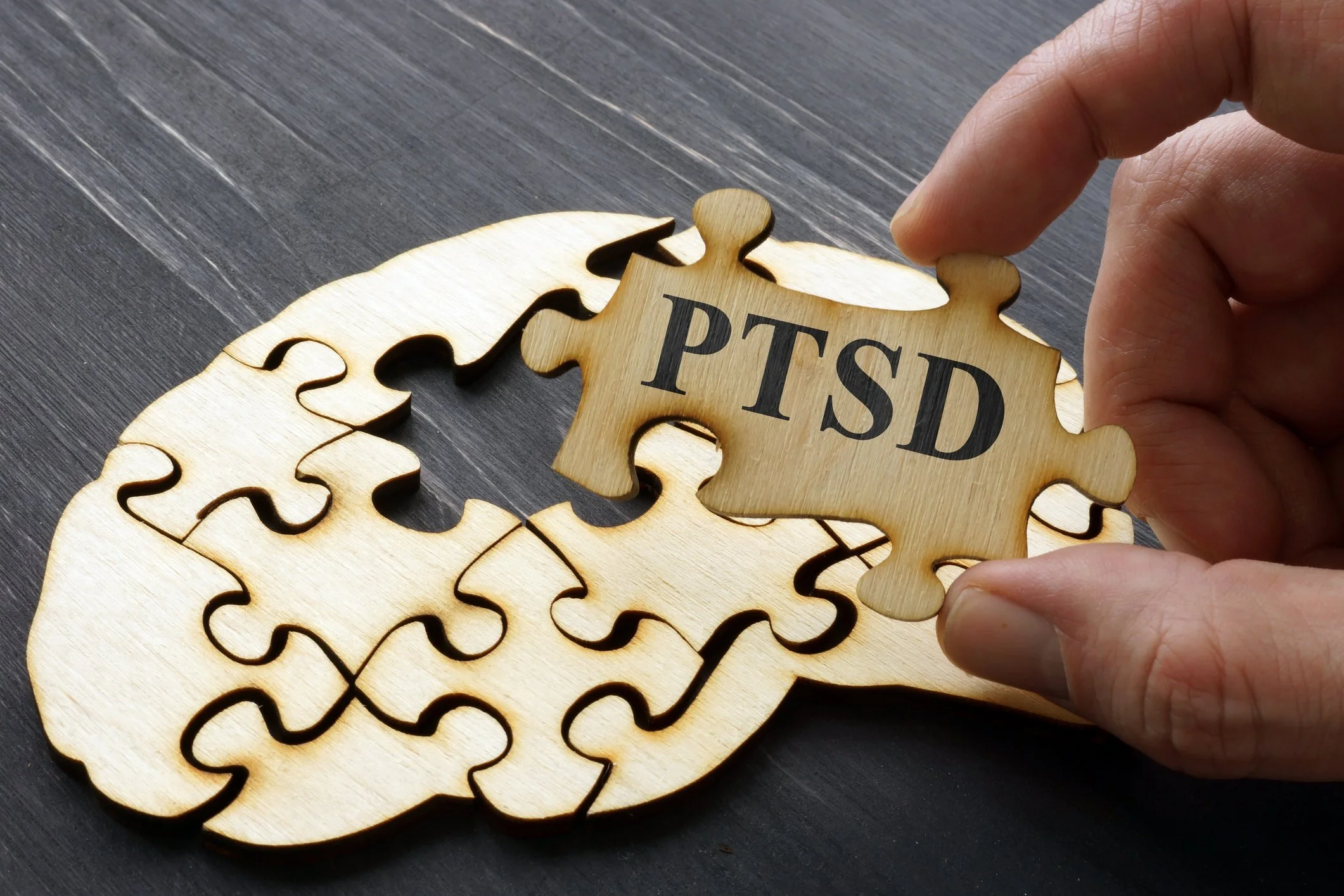
WHAT IS PTSD?
PTSD is a mental health condition that can develop after experiencing or witnessing a traumatic event. Many people feel anxious, distressed, or unsettled immediately following trauma, but PTSD occurs when those reactions last and begin to interfere with daily life. Some people notice symptoms shortly after a traumatic event, while others may not experience symptoms until months or even years later.
It’s important to remember that experiencing PTSD is not a sign of weakness. Rather, it is a natural response to overwhelming experiences, and support is available.

RECOGNIZING THE SIGNS OF PTSD
While symptoms vary from person to person, PTSD often falls into four general categories
Reliving The Trauma
People with PTSD may experience:
Unwanted memories of the event
Flashbacks that make it feel as though the trauma is happening again
Disturbing dreams or nightmares
Intense emotional or physical reactions to anniversaries or other reminders of the event
Avoidance
Some people find themselves avoiding reminders of the trauma, including:
Certain places, people, or situations
Conversations about the event
Activities they once enjoyed
Thoughts or feelings connected to the experience
Changes In Mood And Thinking
PTSD can affect how a person views themselves, others, and the world around them. Signs may include:
Persistent feelings of guilt, shame, or blame
Feeling detached from friends or family
Difficulty experiencing positive emotions
Loss of interest in activities they previously enjoyed
Negative self-talk
Increased Alertness and Reactivity
Many people with PTSD feel constantly “on guard.” Symptoms may include:
Being easily startled
Irritability or anger
Dificulty concentrating
Trouble sleeping
Feeling tense or anxious much of the time

A Quick Self-Check
If you feel that you or someone you care about may be struggling with PTSD, these questions may help you recognize when it’s time to seek professional support.
In the past month, have you or someone you care about:
Had unwanted memories, flashbacks, or nightmares?
Avoided reminders of the event?
Felt constantly on edge or easily startled?
Experienced anxiety, fear, anger, or just felt emotionally numb?
Had difficulty sleeping or concentrating?
Found that these symptoms are impacting relationships, work, school, or daily life?
Used alcohol or other substances to cope?
Felt lost or hopeless?
If you or someone you care about answered yes to several of these questions, it may be helpful to speak with a mental health professional to learn more about PTSD and possible diagnosis and treatment options. Getting professional help early can help prevent symptoms from becoming more disruptive.

Practical Tips For Managing PTSD
While professional treatment is an important part of recovery, there are many healthy habits that can help support anyone who struggles with life’s challenges.
Establish Daily routines
Trauma can make life feel unpredictable. Keeping a set schedule for meals, sleep, work, and other activities can create a sense of stability and control.
Prioritize Sleep
Sleep difficulties are common among people experiencing PTSD. Creating a consistent bedtime routine, limiting screen time before bed, and reducing caffeine may help improve sleep quality.
Practice grounding techniques
Grounding exercises can help bring attention back to the present moment when anxiety or traumatic memories feel overwhelming. One simple technique is the “5-4-3-2-1” method:
Name 5 things you can see.
Name 5 things you can touch.
Name 5 things you can hear.
Name 5 things you can smell.
Name 5 things you can taste.
Stay connected
Trauma can cause people to withdraw from family, friends, and other activities. Reaching out to trusted family members or friends, support groups, or other local resources can help reduce feelings of lonliness and isolation.
Be patient with yourself
Recovery from any mental health challenge is not a straight line. Some days may feel easier than others, and showing yourself the same compassion you would offer a friend can make a big difference as you heal.
Living with PTSD can be challenging, but no one has to face it alone. Treatment is effective, and many people experience significant improvement with the right support. Whether you’re concerned about your own experiences or worried about someone you care about, reaching out for help is an important first step.
Family Resource Center offers several services to help you recover from PTSD:
PREVENTION/EDUCATION SERVICES
SUBSTANCE USE EDUCATION SERVICES (ADULTS) We focus on providing information to educate, assist, and support our community members in their abstinence from drug and alcohol use. Our Living in Balance model utilizes therapeutic strategies in a comprehensive eight-week group education program.
SCHOOL-BASED EDUCATION SERVICES (YOUTH) Our prevention educators are located at schools across Hancock County to offer group education sessions for youth in grades K-12. These groups work to teach social emotional skills, health education, life skills training, self-esteem/confidence, and many other topics. If you are interested in hearing more about these groups, please reach out to your school counselor or principal to see what is offered at your school.
TREATMENT SERVICES
INDIVIDUAL OUTPATIENT SERVICES (ALL AGES) – Outpatient services are one-on-one counseling sessions delivered by providers with strong credentials and clinical expertise in alcohol and drug-related therapy. Individual counseling helps participants to develop their own relapse prevention plans and strategies. We utilize specialized skills to assist an individual in achieving their treatment objectives through the exploration of alcohol and other drug problems and/or addictions and their ramifications.
PSYCHIATRIC SERVICES (ALL AGES) – We provide psychiatric/medical intervention and Medication Management to reduce and/or eliminate psychiatric symptoms with the goal of improved functioning, including management and reduction of symptoms.
GROUP SERVICES (ALL AGES) – Family Resource Center provides a variety of support groups for youth or adults to participate in. These groups are led by trained, professional counselors as well as peers. Peer support services are led by individuals who have experienced a mental health and/or substance use disorder and are actively in recovery. To find a group session that is right for you, reach out to our call center and connect with a counselor to discuss options with you.
RECOVERY
Family Resource Center believes that prevention works, treatment is effective, and people recover. We are about helping people find their path forward and seeing life through a hopeful lens. When you are ready to take the next step towards recovery, please reach out to our call center to find the best fit of services for your individual needs.
3 ways to enroll in Family resource center Services

ONLINE SCREENING
Answer a few short questions to determine if you or someone you care about should connect with a behavioral health professional. This screening is completely anonymous and confidential.

OPEN ACCESS HOURS
We have services available at in-person sites in Lima and Findlay, serving all of Hancock and Allen counties.

SCHEDULE AN APPOINTMENT
To get connected with a counselor and enroll in services please call our call-center. They will walk you through the enrollment process and connect you with the right services and counselors.